Artificial Plants for Balconies: UV-Resistant Picks for Tough Spots
When artificial plants make sense on a balcony, what UV-resistant really means, how to stop them fading or blowing over, and where faux grass fits.
We earn from qualifying purchases through links on this page. How we make money.
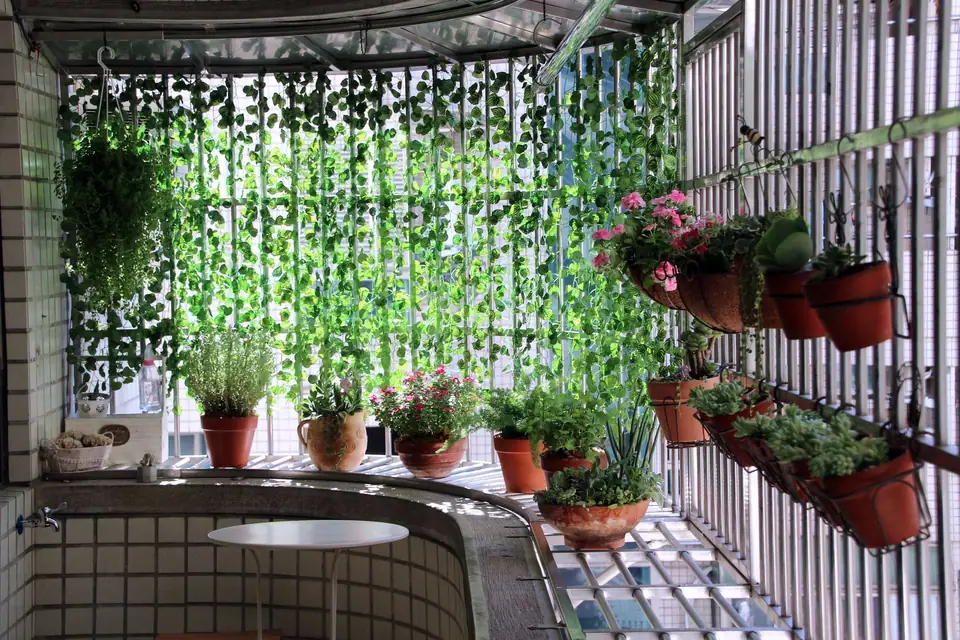
Artificial plants make sense where real ones struggle, such as deep shade or harsh afternoon sun, a windy corner or a balcony far from a tap. They also suit anyone who travels or would rather not garden. Choose pieces sold for outdoor use as UV-resistant, weight their pots against wind, and expect some fading in years of full sun.
They are the core of the low-maintenance route in our set up the space section: green without watering or wet soil.
When faux is the better choice
Real plants are worth trying first if your balcony gets decent light and you can water it. Faux makes sense when:
- The balcony is in deep shade. North-facing or overhung balconies can be too dark for many flowering plants.
- It bakes in afternoon sun. Containers can dry out fast in summer heat.
- There is no water nearby. Carrying cans through the apartment gets old.
- You are away a lot. Nothing dies while you travel.
- Weight is a worry. A faux plant in a light pot weighs a fraction of a wet planter; see how much weight a balcony can hold.
You can mix the two: real herbs by the door, faux greenery in the spots plants struggle with. If you want to grow, our what to grow hub sorts plants by light and wind.
Faux also has limits worth knowing before you buy. It does nothing for pollinators, it gathers dust, and plastic leaves in full sun eventually fade. A good setup uses it where real plants would fail, not everywhere.
What lasts outdoors: reading UV-resistant claims
Indoor faux plants are made for indoor light. Outdoors, look for “outdoor”, “indoor/outdoor” or “UV-resistant” on the label.
Nearly Natural, which sells an outdoor range, says its UV-resistant plants carry “a built-in protectant to block and absorb harmful ultraviolet rays”, made to keep colors from fading or turning brittle in direct sun. The same page adds a fair caveat: “no material is invincible.”
Read the UV-resistant label as the maker’s claim. A plant under a covered balcony will keep its color longer than one in full afternoon sun.
UV-resistant artificial plants for outdoors
Live listings, shown by eBay
Opens eBay in a new tab. Check condition, seller feedback and returns.
Picking pieces that look real
Mix shapes and greens
Boxwood balls and topiaries suit floor pots by the door. Trailing ivy and ferns suit hanging planters and railing boxes, where they hide the container edge. Grasses add height in a corner. Hedge panels double as a screen; our balcony privacy screens guide compares them with fabric and bamboo.
Wind and cleaning
Wind. A light faux plant in a light pot is the first thing to blow over. Weight pots with gravel or sand under a top layer of moss or pebbles, set tall pieces in heavier pots, and tie hanging baskets to their hooks. Nothing should sit on the railing cap or hang over the outer edge.
Cleaning. City dust collects on plastic leaves. Follow the maker’s care notes; a gentle rinse or a wipe and full drying keeps the color looking fresh.
Storage. If a balcony gets heavy snow or storms, bringing the smaller pieces in for winter can extend their life.
Artificial grass for the floor
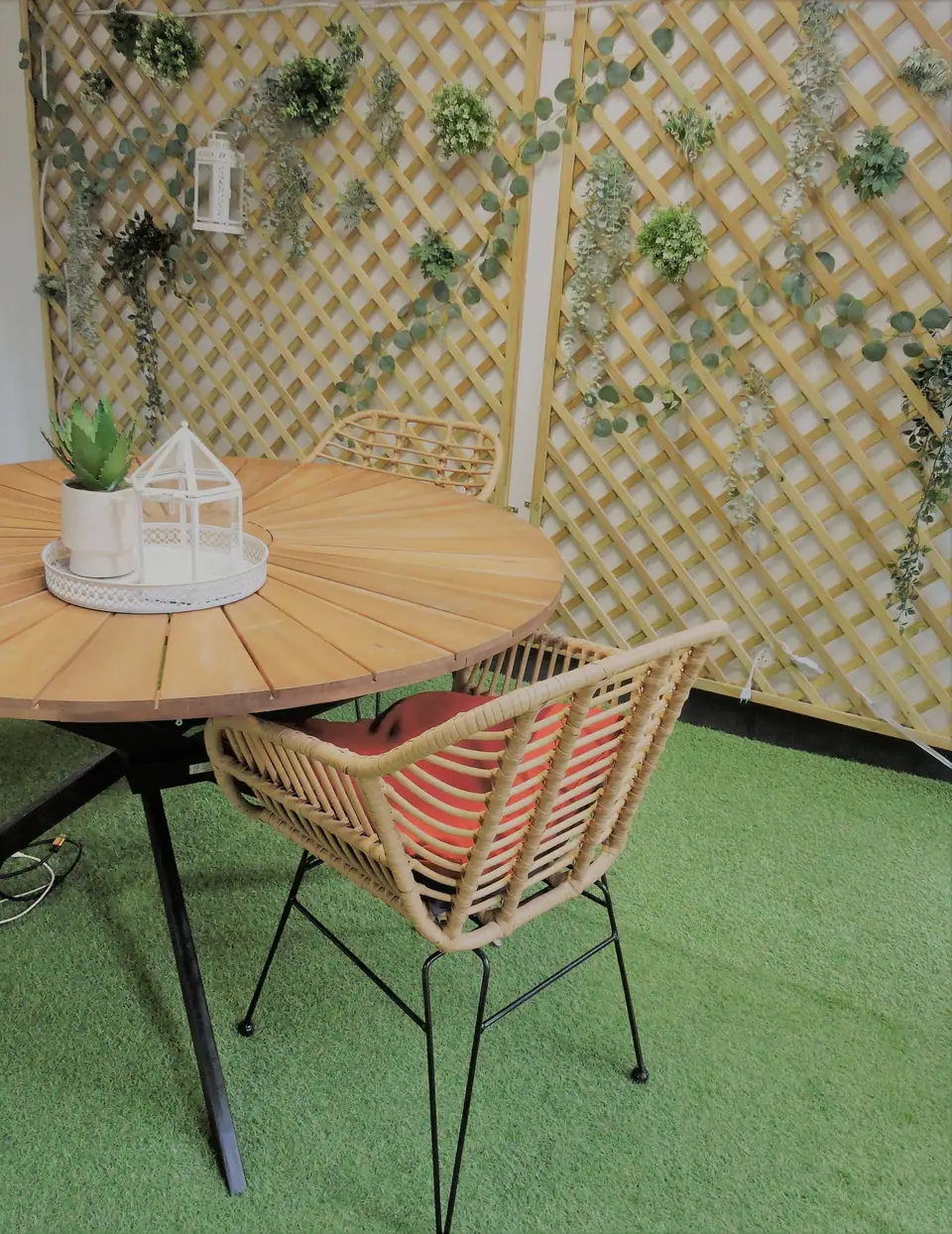
Faux greenery does not stop at plants. Click-together artificial grass tiles cover a concrete slab and come up when you move. IKEA’s RUNNEN artificial grass tiles, for example, are 11 3/4 inches square, come nine to a pack, and suit hard, even surfaces such as concrete or wood. IKEA says to clean them with a stiff broom or a vacuum, only when the grass is dry.
Leave the balcony’s drain uncovered. Our balcony flooring guide compares grass tiles with deck tiles and outdoor rugs.
Frequently asked questions
Do artificial plants work outside on a balcony?
Yes, if they are sold for outdoor use. Choose pieces labeled UV-resistant or outdoor-rated, and expect even those to fade over years of full sun.
How long do UV-resistant artificial plants last outdoors?
There is no fixed answer, because sun, heat and weather vary. Nearly Natural says its UV protection keeps outdoor plants looking new for years, while adding that no material is invincible. A plant on a covered, shaded balcony is likely to keep its color longer than one in full afternoon sun.
How do I keep artificial plants from blowing away?
Weight the pot with gravel, sand or stones under a top layer of moss or pebbles, choose heavier pots for tall pieces, and tie hanging baskets to their hooks. Keep everything on the inside of the railing.
How do you clean artificial outdoor plants?
Follow the maker's care notes. Dust or rinse the leaves gently and let them dry fully; cleaning a few times a season keeps city grime from dulling the color.
Can I put artificial grass on a balcony?
Yes. Click-together artificial grass tiles are made for hard, even surfaces such as concrete, according to IKEA's description of its RUNNEN tiles. Leave the balcony's drain uncovered so water can still run off.
Sources
Filed under Small Balcony Setup: Ideas Renters Can Undo, Garden or Not.