Composting on a Balcony: Worm Bins, Bokashi and Countertop Units
Composting on a balcony or in an apartment: how worm bins, bokashi and electric countertop units compare on scraps, space, smell and what comes out.
We earn from qualifying purchases through links on this page. How we make money.
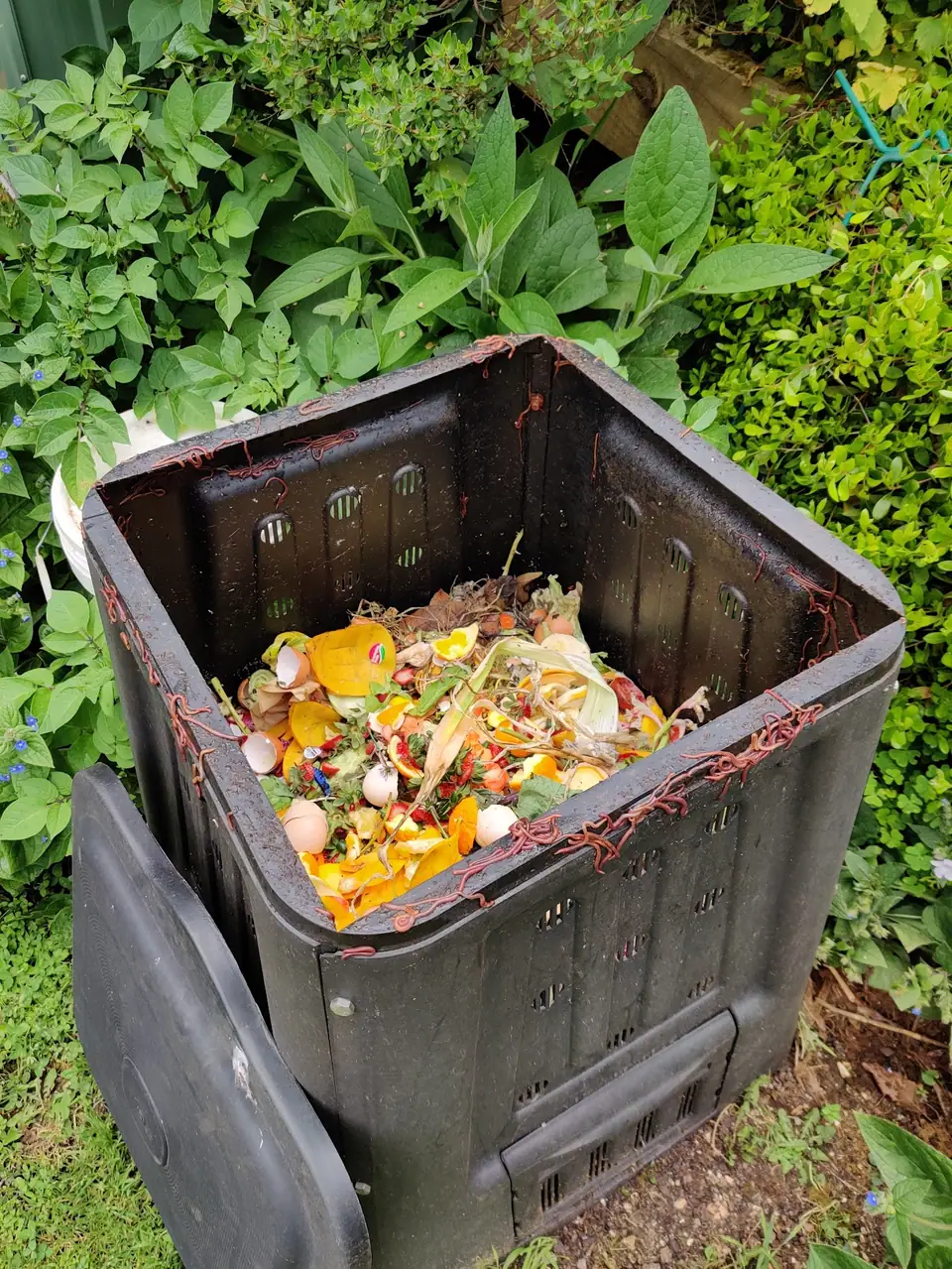
You can compost on a balcony with a small closed system. A worm bin makes finished compost but needs mild temperatures. A bokashi bucket ferments almost any food waste in about two weeks, then the result must be buried. An electric countertop unit dries scraps fast, but its output is not finished compost.
This page is part of what to grow on a balcony. It compares three methods that suit apartments.
What does composting need?
The US EPA describes home composting as a balance of browns (carbon-rich material such as dry leaves, cardboard and shredded paper), greens (nitrogen-rich material such as fruit and vegetable scraps and coffee grounds), water and air. It lists meat, fish, bones, dairy, oils, pet waste and diseased plants as things to keep out of a home compost pile, because they attract pests or do not break down well.
Worm bin vs bokashi vs countertop unit
| Method | What it does | What can go in | What comes out | Space and time |
|---|---|---|---|---|
| Worm bin (vermicomposting) | Red worms eat scraps in moist paper bedding | Fruit and vegetable scraps, coffee grounds, tea leaves, crushed eggshells; no meat, dairy or oils (UMD Extension) | Finished vermicompost and a liquid that drains into a tray | A bin about 21 by 15 inches handles 2 to 3 pounds of scraps a week; 6 to 8 weeks for a noticeable amount (UMD) |
| Bokashi | Bran with bacteria and yeast ferments scraps in a sealed bucket | Also meat, dairy and cooked food (WSU Extension) | Fermented “pre-compost” that must be buried or added to a compost pile, plus a liquid to drain | About 10 to 14 days after the bucket is full (WSU) |
| Electric countertop unit | Heats, dries and grinds scraps | What the maker lists; Mill says its bin takes bones and dairy | Dry grounds that the makers describe mixing into soil or composting further | Lomi lists 3 to 5 hours for its fastest mode; Mill says it shrinks waste by 80% |
Worm bins and bokashi buckets need no power; countertop units plug in.
Worm bins, bokashi buckets and countertop bins
Live listings, shown by eBay
Opens eBay in a new tab. Check condition, seller feedback and returns.
Worm bins: the one that makes finished compost
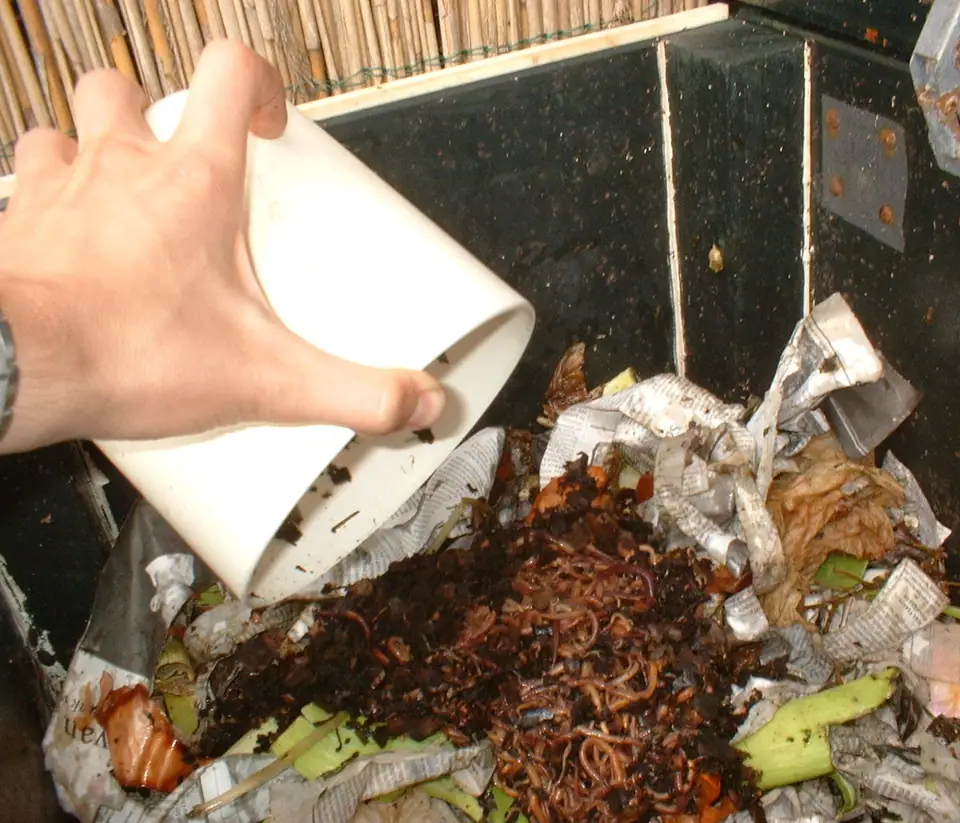
University of Maryland Extension says redworms work best when kept moist and well ventilated at 55 to 75°F, and that they die at freezing temperatures. Iowa State Extension gives 55 to 77°F, with 65 to 70°F as the ideal.
Bedding is shredded newspaper or cardboard, damp like a wrung-out sponge.
Temperature decides where a worm bin lives. Illinois Extension says to keep outdoor bins out of direct sun in warm months and to move them to a heated basement or closet in winter. A sunny balcony in July and a cold one in January are both wrong, so the simplest home for an apartment worm bin is indoors, in a closet or cupboard, with the balcony for mild weather only.
Drill holes in the bottom and lid, and set the bin on a tray to catch the liquid that drains out, as UMD describes. On a balcony that tray also keeps drips off the floor and the unit below.
Getting worms. This site does not link live animals. UMD Extension notes that composting redworms are sold online, and Iowa State adds bait supply stores. Look for red wigglers sold for composting.
Bokashi: small, sealed and takes meat
Washington State University Extension describes bokashi as fermentation in a sealed container, using bran inoculated with bacteria and yeast. It accepts meat, dairy and cooked food that worm bins and home piles exclude, and works year-round. WSU says to drain the liquid every few days, and that a good batch smells sour and pickled, not rotten.
The catch for a balcony is the second step. After about two weeks, WSU says to bury the fermented material in a garden bed or mix it into a compost pile, and to keep it from direct contact with plant roots. With no garden, that means a deep tub of used potting mix that you leave unplanted for a while, a friend’s garden, or a community compost drop-off.
Countertop electric units: fast, but not compost
Mill says plainly that appliances which dry and grind food scraps do not actually produce compost; its own bin dries and grinds overnight into dry “grounds” that can be composted, given to a community composter or donated. Lomi describes its output as something to mix into soil or add to a compost pile.
Dried scraps vs compost
Smells, flies and pests
- Too wet: the EPA’s fix for a smelly pile is more browns and more air.
- Too much food: UMD says odors come from adding too many scraps at once; remove rotting food and pause feeding.
- Fruit flies: Iowa State suggests burying food under the bedding or covering it with newspaper.
- Bokashi: a sour, pickled smell is normal, per WSU; a rotten one is not.
Any bin on a balcony adds weight, especially wet worm bedding or a full bokashi bucket. Check balcony weight limits before you add a large one, and keep it away from the rail.
Using compost in balcony pots
The EPA says finished compost improves soil structure by adding organic matter and helps it hold moisture. In containers, mix a little into fresh potting mix when you replant. A worm bin or bokashi starter set also makes a good present for an apartment gardener (see our gifts for balcony gardeners). For what to grow with your compost, see growing tomatoes in pots, growing herbs in pots and watering a balcony garden.
Frequently asked questions
Can you compost on a balcony?
Yes, with a small closed system. A worm bin, a bokashi bucket or an electric countertop unit fits a balcony or kitchen. An open backyard pile does not, and the US EPA notes that worm composting can be done indoors or outdoors.
Do worm bins smell?
Not when they are run well. University of Maryland Extension says odors come from adding too many scraps at once, and Iowa State Extension suggests burying food under the bedding to keep fruit flies away and the bin from smelling.
Can worms live outside on a balcony in winter?
Not in a cold climate. University of Maryland Extension says redworms die at freezing temperatures, and Illinois Extension recommends a heated basement or closet in winter. In summer, Illinois says to keep outdoor bins out of direct sun.
Is the output of an electric countertop composter real compost?
No. BioCycle, the organics recycling journal, and the Illinois Food Scrap & Composting Coalition both say dehydrating units dry and sterilize scraps rather than compost them. Mill agrees, and Lomi describes mixing its output into soil or adding it to a compost pile to finish.
Where do you get composting worms?
Red worms for composting are sold by online suppliers and some bait shops, according to University of Maryland and Iowa State Extension. Check that the supplier ships red wigglers suited to composting, not fishing worms.
Sources
- Composting At HomeUS Environmental Protection Agency
- Indoor Worm Composting or VermicompostingUniversity of Maryland Extension
- How to Create and Use VermicompostIowa State University Extension and Outreach
- Keep worms warm for winter vermicompostingIllinois Extension
- Bokashi CompostingWashington State University Extension, Kitsap County
- It's not a composter: It's MillMill
- Electric Food Recyclers: What They Are, How They Work + FAQsLomi (Pela)
- Electric Kitchen Composter ConfusionBioCycle
- Debunking the Myth: Food Scrap Dehydrators Are Not CompostersIllinois Food Scrap & Composting Coalition
Filed under What to Grow on a Balcony: Plants by Sun, Shade and Wind.