How to Water a Balcony Garden Without Dripping on the Neighbors
How to water balcony pots: when to water, how much, saucers that stop drips on the unit below, drip kits, spikes and what to do when you are away.
We earn from qualifying purchases through links on this page. How we make money.
Water a balcony garden when the top inch of potting mix feels dry, not on a calendar. Water early in the morning, slowly, at the soil, and stop as soon as water starts to drain. A saucer or tray under every pot catches the rest, so nothing drips onto the balcony or the people below.
This page is part of what to grow on a balcony. It works through the usual problems in order: when to water, how much, drips, tools and trips away.
When do balcony pots need water?
Illinois Extension’s test is simple: feel the soil, and if the first inch or so is dry, water. It adds that there are no hard and fast rules, because the season, the spot, the container and the plant all change the answer. Iowa State University Extension says to check containers daily, especially in summer.
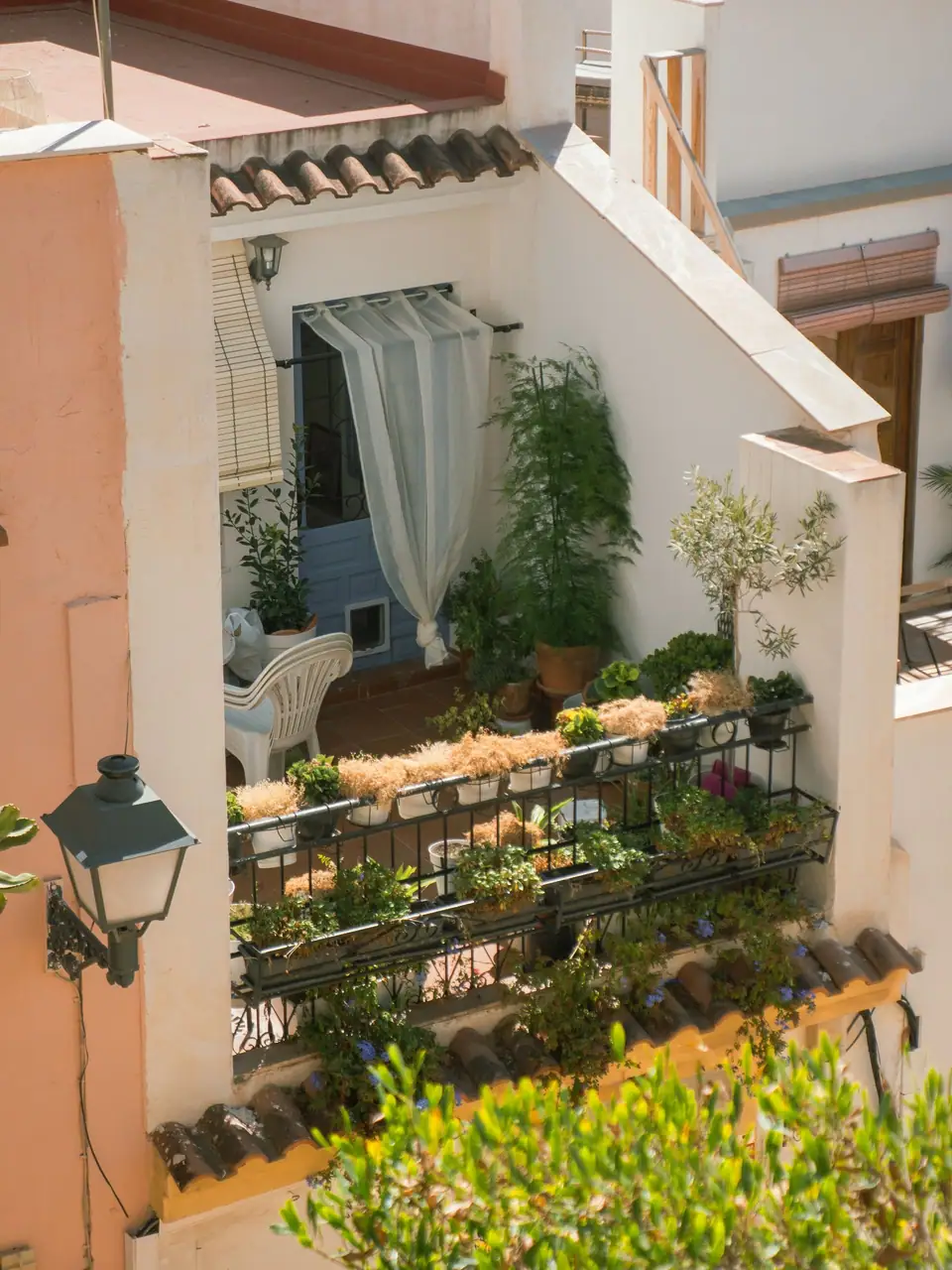
Balconies push the answer toward more often. Wind and reflected heat dry pots quickly, and the Royal Horticultural Society notes that exposed roof and balcony gardens may need watering once or twice a day. A few choices slow the drying:
- Bigger pots. Illinois Extension says larger pots need less frequent watering than small ones.
- Plastic over clay for thirsty plants. Illinois notes that plastic holds moisture longer and porous clay dries faster.
- Mulch. Both Illinois Extension and the RHS say a layer of mulch on the mix reduces evaporation.
The one-inch test
What time of day should you water?
The RHS suggests early morning or early evening, when less water evaporates from the surface. Colorado State University Extension adds that morning watering lets wet leaves dry quickly, which helps against leaf disease. Aim the water at the soil, not the leaves.
How much water, without the drips?
Most extension advice says to water until it runs from the drainage holes. Oregon State University Extension puts it that way, and Iowa State agrees. The RHS takes a gentler line: soak the mix slowly and stop just before, or as soon as, water appears at the drainage holes, which saves water and nutrients.
On a balcony the RHS approach is the better habit, because whatever leaves the pot has to go somewhere.
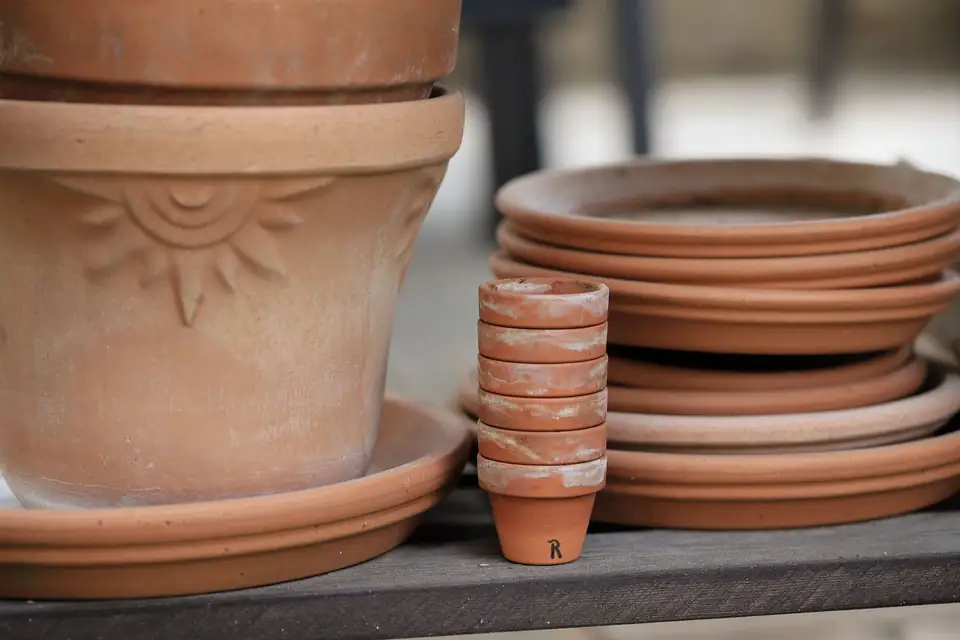
Runoff onto a neighbor’s balcony, chairs or laundry is a courtesy problem and often a lease one. Building rules vary, so check yours, and in every case:
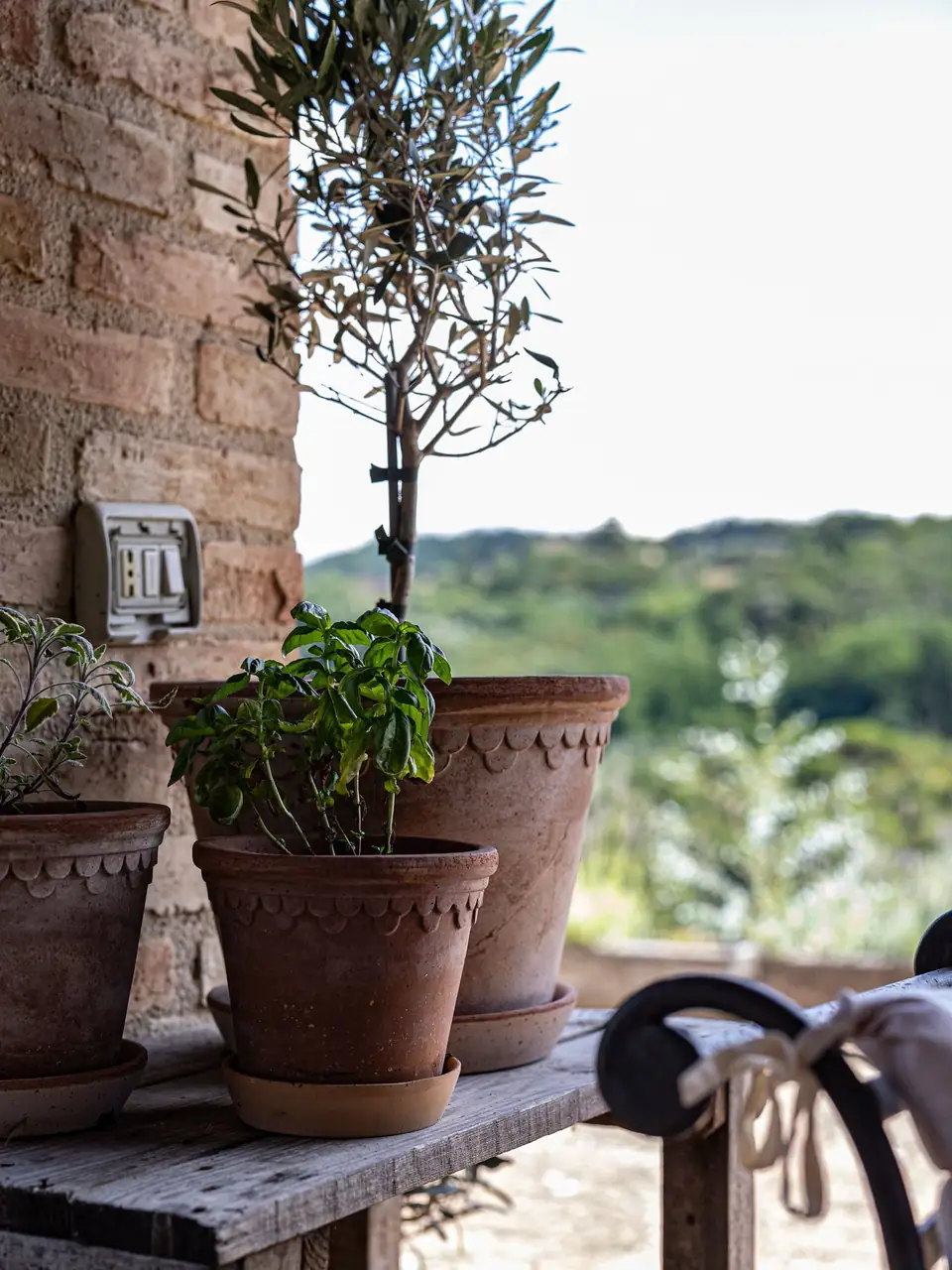
- Put a saucer or tray under every pot, including hanging baskets and rail boxes.
- Water slowly, in two passes if the mix is very dry, so it soaks in instead of running through.
- Empty saucers within a few hours in summer, as the RHS suggests, so roots do not sit in water.
- Keep planters on the inside of the railing so nothing runs over the edge.
- Never water plants that hang over the outer side of the rail.
Water is heavy
Which watering tools suit a small space?
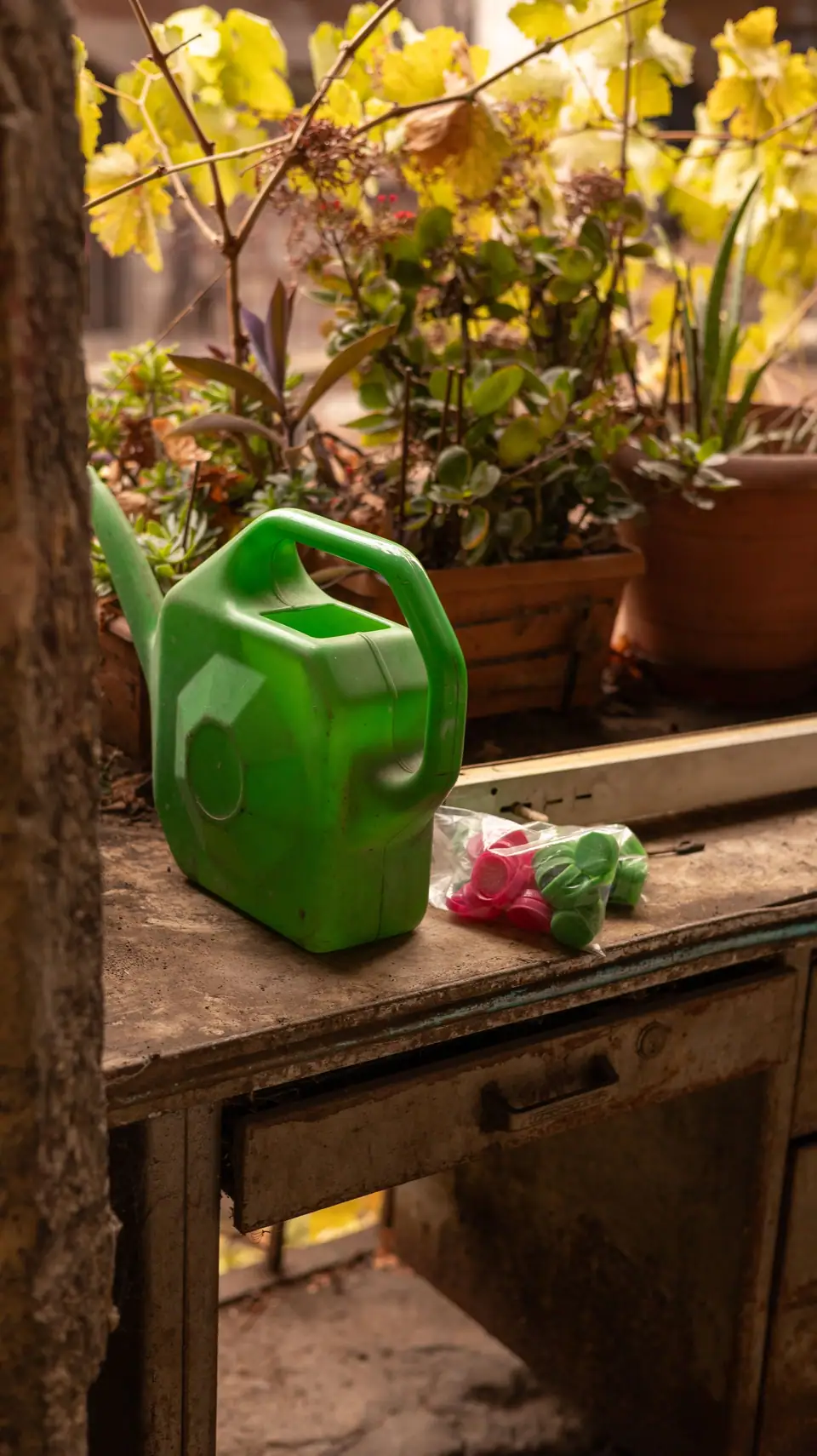
- A small watering can with a narrow spout puts water on the soil, not the floor.
- Watering spikes and globes hold a little water in the pot and let it seep out as the mix dries. Clay spikes work because the clay is porous.
- Drip kits. Colorado State Extension’s Pueblo County office describes a container drip setup of tubing with a filter, a pressure regulator and one or more emitters per pot, run by a battery timer. It attaches to a faucet, so it needs an outdoor tap.
- Self-watering planters keep a reservoir under the soil. Illinois Extension says self-watering containers and drip irrigation can reduce how often you water. Self-watering planters explains how they cope outdoors.
If you feed plants through the watering can, use the rate on the fertilizer label. The same goes for any pest product: the US EPA notes that using a pesticide in a way its label does not allow is a violation of federal law.
What to do when you are away for a week
- Move pots together into a spot with afternoon shade. The RHS notes that grouping plants raises the humidity around them.
- Water thoroughly the morning you leave.
- Move the thirstiest plants into self-watering planters a few weeks ahead, so they settle.
- If you have a tap, set up a drip kit on a timer. The Pueblo County guide advises a test run before you leave, and twice-daily cycles in summer heat.
- Ask a neighbor to check on day three or four.
Watering cans, spikes and drip kits for small spaces
Live listings, shown by eBay
Opens eBay in a new tab. Check condition, seller feedback and returns.
Plants that need less watering
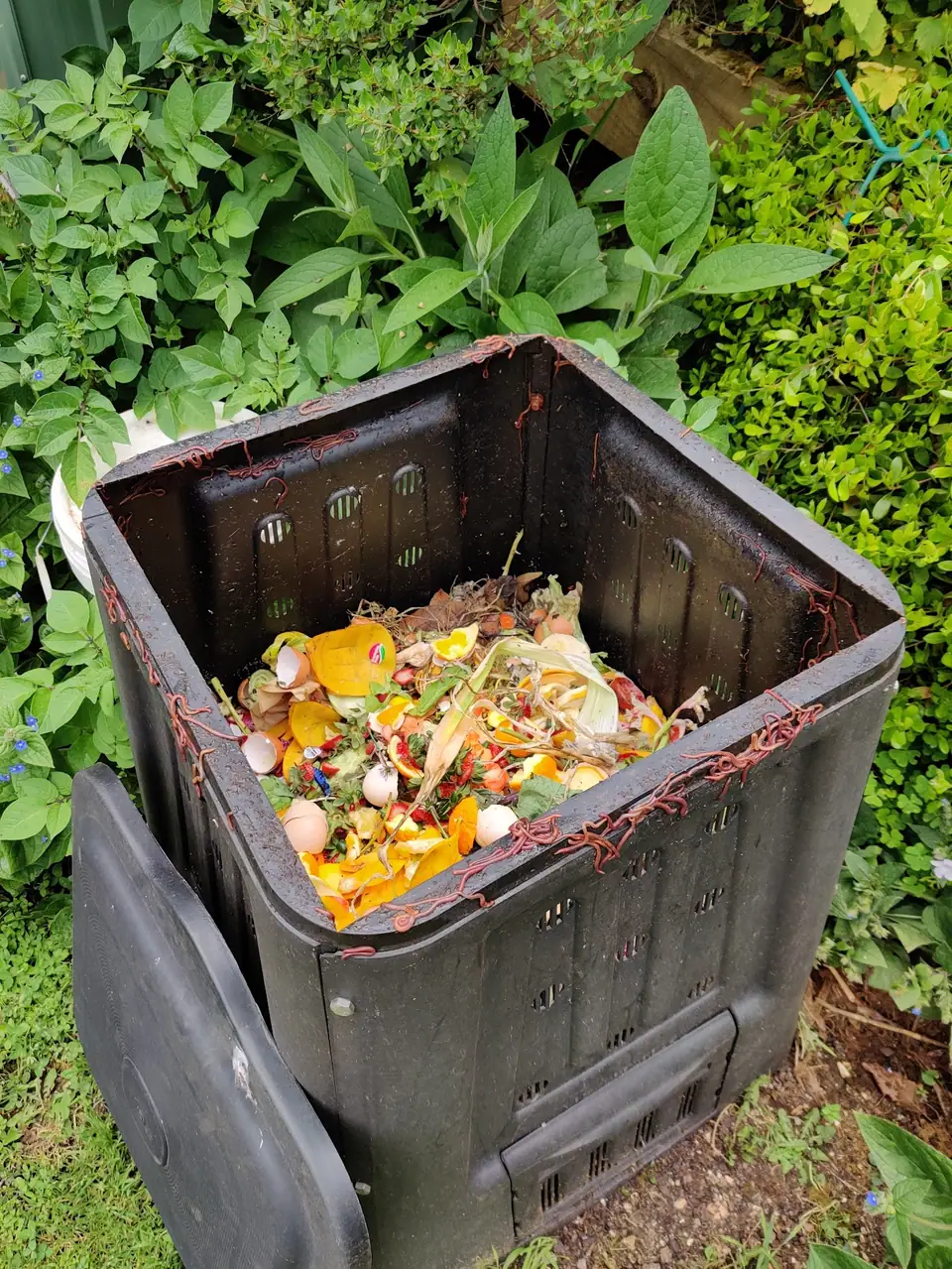
Some crops forgive a missed day better than others. Herbs that like dry soil, such as rosemary and thyme, can wait longer than basil, while potted tomatoes need steady water to avoid blossom-end rot: see growing herbs in pots and growing tomatoes in pots. Kitchen scraps can also go back into your pots as compost: see composting on a balcony.
Frequently asked questions
How often should I water plants on a balcony?
There is no fixed schedule. Iowa State Extension says to check containers daily, especially in summer, and Illinois Extension says to water when the first inch or so of mix is dry. Small pots in sun and wind can need water once or twice a day.
Is it better to water balcony plants in the morning or evening?
Morning is the safest choice. The Royal Horticultural Society suggests early morning or early evening to cut evaporation, and Colorado State Extension notes that morning watering lets leaves dry quickly, which helps against disease.
How do I stop water dripping onto the balcony below?
Put a saucer or tray under every pot, water slowly and stop as soon as the first drips appear. Keep planters on the inside of the rail so nothing runs over the edge. The RHS suggests emptying saucers within a few hours in summer.
How do I water balcony plants while on vacation?
Group pots in a shaded spot, switch thirsty plants to self-watering planters, or set up a drip kit on a battery timer. Colorado State Extension's Pueblo County office advises a test run of any drip system before you leave.
Can I use a drip system on a balcony with no outdoor tap?
A standard drip kit connects to a faucet, so it needs a tap. Without one, self-watering planters with a reservoir, watering spikes and a neighbor with a key are the practical options.
Sources
- WateringIllinois Extension
- 6 Tips for Watering Container GardensIllinois Extension
- How frequently should I water annuals in containers?Iowa State University Extension and Outreach
- How to water containersRoyal Horticultural Society
- Greening balconies and roof gardensRoyal Horticultural Society
- Container SizeIllinois Extension
- Tomato Early BlightColorado State University Extension
- Watering potted plants with drip systems: vacation and beyondColorado State University Extension, Pueblo County
- No yard? Grow vegetables in containersOregon State University Extension Service
- Introduction to Pesticide LabelsUS Environmental Protection Agency
Filed under What to Grow on a Balcony: Plants by Sun, Shade and Wind.