Self-Watering Planters for Balconies: Do They Work Outdoors?
How self-watering planters work, how they handle rain and freezing on a balcony, which plants dislike constant moisture and which potting mix makers recommend.
We earn from qualifying purchases through links on this page. How we make money.
Yes, self-watering planters work outdoors on a balcony, with three conditions. Keep the overflow hole open so rain can drain, empty the reservoir before a hard freeze, and keep refilling it, because the wicking stops once it runs dry. They suit thirsty plants and sunny spots, and suit dry-loving herbs less well.
They sit in our balcony planters section next to railing planters, many of which come in self-watering versions, and hanging planters.
How does a self-watering planter work?
A self-watering planter has a water reservoir under the potting mix. Mississippi State University Extension says the mix pulls moisture up from the reservoir “in much the same way a sponge pulls liquid from a pan of water,” which is called capillary action.
Makers build this in different ways. EarthBox’s manual describes an aeration screen that holds the mix above the water, corners packed with moist mix that reach down into the reservoir to wick, a fill tube for adding water, and an overflow drain. Gardener’s Supply’s Viva railing planter holds 8 quarts of mix over a 2-quart reservoir.
Three parts matter on a balcony:
- The fill tube or port, so you can top up without soaking the leaves.
- The overflow hole, which lets extra water out once the reservoir is full.
- A level indicator or a clear fill line, so you can see when to refill.
Self-watering planters for balconies
Live listings, shown by eBay
Opens eBay in a new tab. Check condition, seller feedback and returns.
Do self-watering planters work outdoors?
They do, but rain and frost change how you use them.
Rain. A reservoir that is already full cannot hold a downpour. Mississippi State University Extension says these containers have an overflow that works like the one in a bathroom sink, and Gardener’s Supply says the drainage holes on its adjustable railing planter protect against overwatering in heavy rain. Never plug them. The water that drains out lands on your balcony floor, so see balcony weight limits for drainage and the unit below.
Frost. Proven Winners says water left in its AquaPots planters can freeze and thaw through the winter and crack them, and that cold winters can make plastic more brittle over time. It tells cold-climate gardeners to pour out the remaining water and store the planters dry. In warm climates where it rarely stays below freezing, it says there is no need to empty them.
Tip
Do self-watering planters actually work?
They cut the number of waterings, not the need to check. EarthBox’s manual says to add water every few days while plants are young, and at least once a day as they mature. It adds that mature plants may need water several times a day.
Mississippi State University Extension gives the reason: “If the subirrigated container’s reservoir is allowed to dry out, the capillary action of water will stop.” Once that happens, the dry mix has to be rewetted from the top before wicking starts again.
The extra water also adds weight. A gallon of water weighs about 8 1/3 pounds, according to NIST Handbook 44. The Viva’s 2-quart reservoir (half a gallon) therefore holds about 4 pounds of water on top of the wet mix. That is small for one box but adds up along a whole railing, which is one more reason to read how much weight a balcony can hold.
Which plants do not suit self-watering planters?
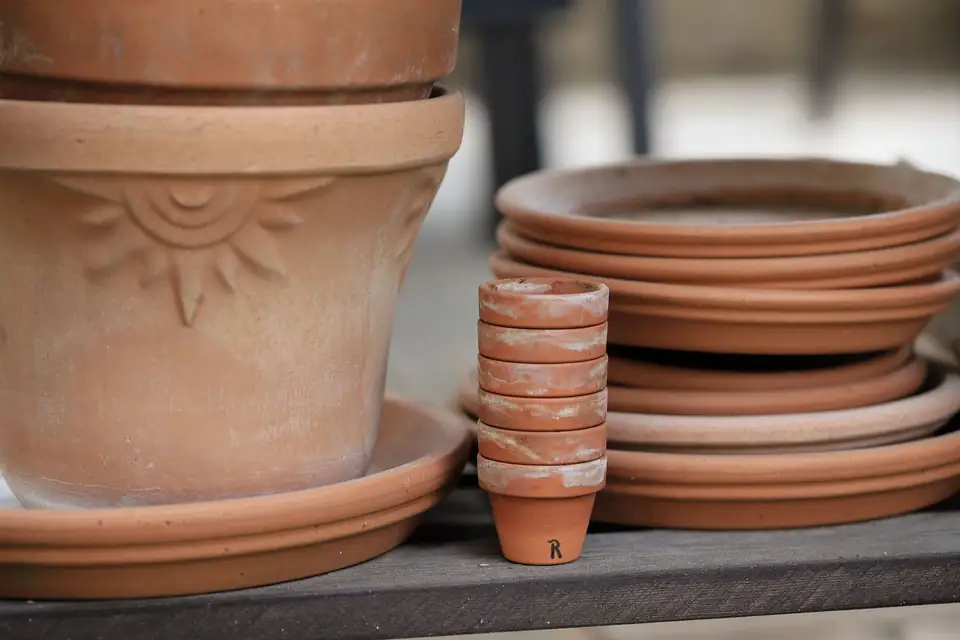
Plants that like to dry out between waterings are the poorest fit, because a reservoir keeps the mix evenly moist. University of Maryland Extension says rosemary, thyme, oregano and lavender prefer to dry out more between waterings than basil, mint, parsley and cilantro do. Clemson Extension also notes that thyme, oregano and rosemary like the soil to dry out.
Makers do not all agree. EarthBox’s planting chart includes woody herbs such as rosemary, lavender and thyme in its own self-watering system. If you try them, let the reservoir run low between fills, or grow them in a plain clay pot instead. University of Maryland Extension suggests clay pots for container herbs, because unglazed terra cotta helps keep the center of the pot from staying wet too long.
Thirsty plants are the better match. EarthBox’s chart lists tomatoes, peppers, eggplants and lettuce among the crops for its system.
What potting soil should you use in a self-watering planter?
Use a soilless potting mix. EarthBox’s manual asks for a peat-based growing medium with perlite or vermiculite. It rules out compost, coir-based media and anything with rock, clay, sand or topsoil. It also says to moisten the mix a few days before setting up, since dry mix can leave air pockets that stop water reaching the roots.
Mississippi State University Extension recommends a soilless mix of peat moss, pine bark, coir, vermiculite and perlite in varying ratios, and warns against native soil or bagged amendments meant for garden beds. Gardener’s Supply sells its own self-watering potting mix for its planters. Where a maker names a mix, follow the maker for that planter.
Watering tools for the weeks in between
A self-watering planter still needs a watering can for refills and for rewetting the top after a dry spell. Our guide to watering a balcony garden covers cans, spikes and drip kits. To compare containers by weight and drainage, see grow bags vs pots.
Watering cans and tools for small spaces
Live listings, shown by eBay
Opens eBay in a new tab. Check condition, seller feedback and returns.
Frequently asked questions
Do self-watering planters actually work?
Yes, as long as the reservoir has water. Mississippi State University Extension explains that the mix pulls water up from the reservoir like a sponge, and that this capillary action stops if the reservoir dries out. They reduce how often you water; they do not end it.
How long does the water in a self-watering planter last?
It depends on the plant, the weather and the reservoir size. EarthBox's manual says to add water every few days while plants are young and at least once a day as they mature, and that mature plants may need water several times a day.
What potting soil should I use in a self-watering planter?
A soilless potting mix, never garden soil. EarthBox asks for a peat-based mix with perlite or vermiculite and no compost, coir, sand or topsoil, and says to moisten it a few days before planting. Mississippi State University Extension also recommends a soilless mix.
Can self-watering planters stay outside in winter?
In a place where the reservoir can freeze, empty it first. Proven Winners says water that freezes and thaws in its AquaPots planters can crack them, and that cold winters can make plastic more brittle. In warm climates it says there is no need to empty them.
Do self-watering planters overflow in the rain?
Most have an overflow hole that lets extra water out, which Mississippi State University Extension compares to the overflow in a bathroom sink. Keep it clear, and remember the water it releases lands on the balcony floor.
Sources
- Subirrigated Containers for the Mississippi Gardener (P2971)Mississippi State University Extension
- Gardening System Instruction ManualEarthBox (Novelty Manufacturing Co.)
- Adjustable Self-Watering Railing Planter, 24"Gardener's Supply Company
- Viva Self-Watering Balcony Railing PlanterGardener's Supply Company
- AquaPots Winter Care: How to Winterize and Store AquaPots Containers in Cold ClimatesProven Winners
- Growing Vegetables in Containers and Salad TablesUniversity of Maryland Extension
- Hanging Baskets and Window Boxes (HGIC 1154)Clemson Cooperative Extension
- NIST Handbook 44 (2026), Appendix B: Units and Systems of MeasurementNational Institute of Standards and Technology
Filed under Balcony Planters: Which Container Fits Each Spot.